
Tag Archives: Akwesasne

The Salmon River “Calming Stations”

Special education teachers in the Salmon River School District concluded that they could no longer control students who, according to their parents, were angry or sad. So they constructed a “barrier” made from “PVC and vinyl” to cage those kids in a makeshift “timeout” room. Other children they locked in plywood boxes until they settled themselves down.

            Two-thirds of the kids at Salmon River are Indigenous, from the Akwesasne Mohawk reservation that straddles the US-Canada border. Democratic State Assemblyman Michael Cashman, who represents the district where the school stands, pointed out that a recently completed New York State Department of Education Investigation tells “an absolutely abhorrent story of mistreatment of youth.” He’s right. “These harms,” he continued, “are amplified by the cultural context they unfolded within: many of the families in the school district are Indigenous, a group that has a long history with systemic abuse from schools.”
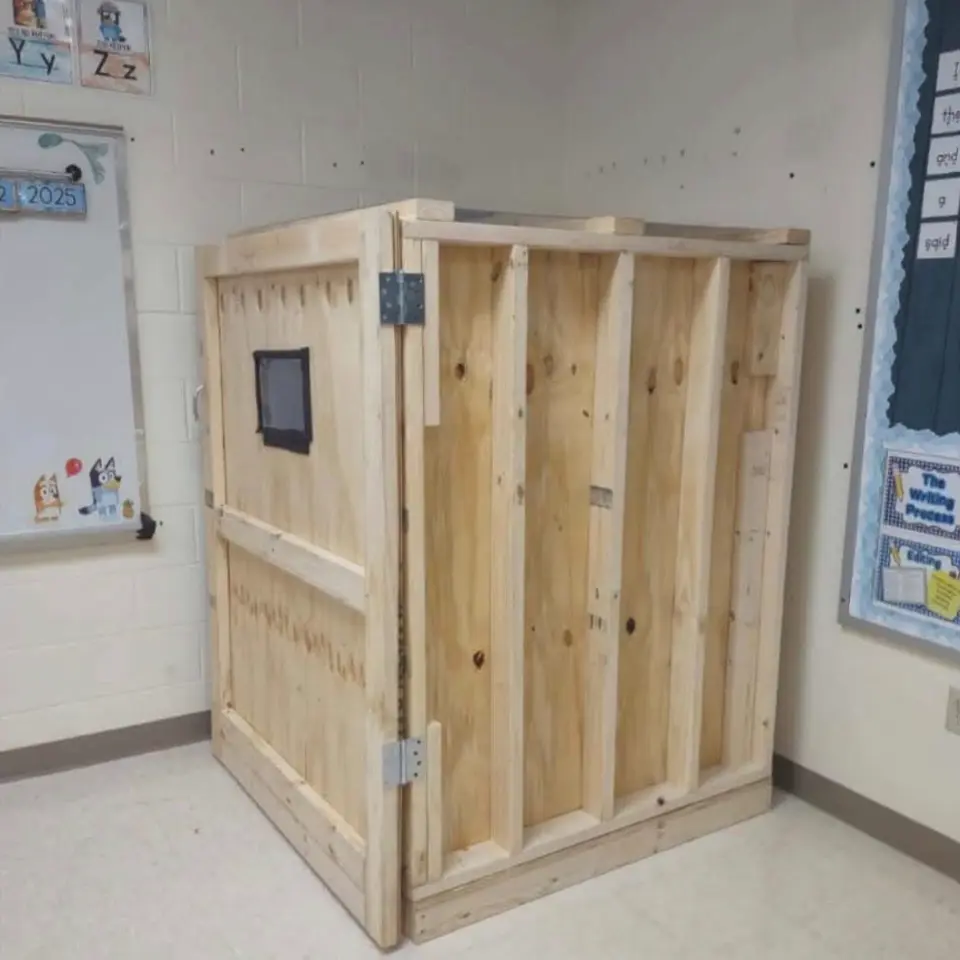
            These kids have family members who attended the notorious Mohawk Institute, known as the “Mushhole,” across the border in Canada.  They have ancestors who attended the Thomas Asylum in western New York and even Carlisle, in Pennsylvania. The pain parents felt when they learned of these illegal restraints—which school officials called “calming stations”– should be perfectly understandable.  After all, if you did this to your own child, in your own house, those children would rightfully be taken from you. You would rightfully be considered a monster.
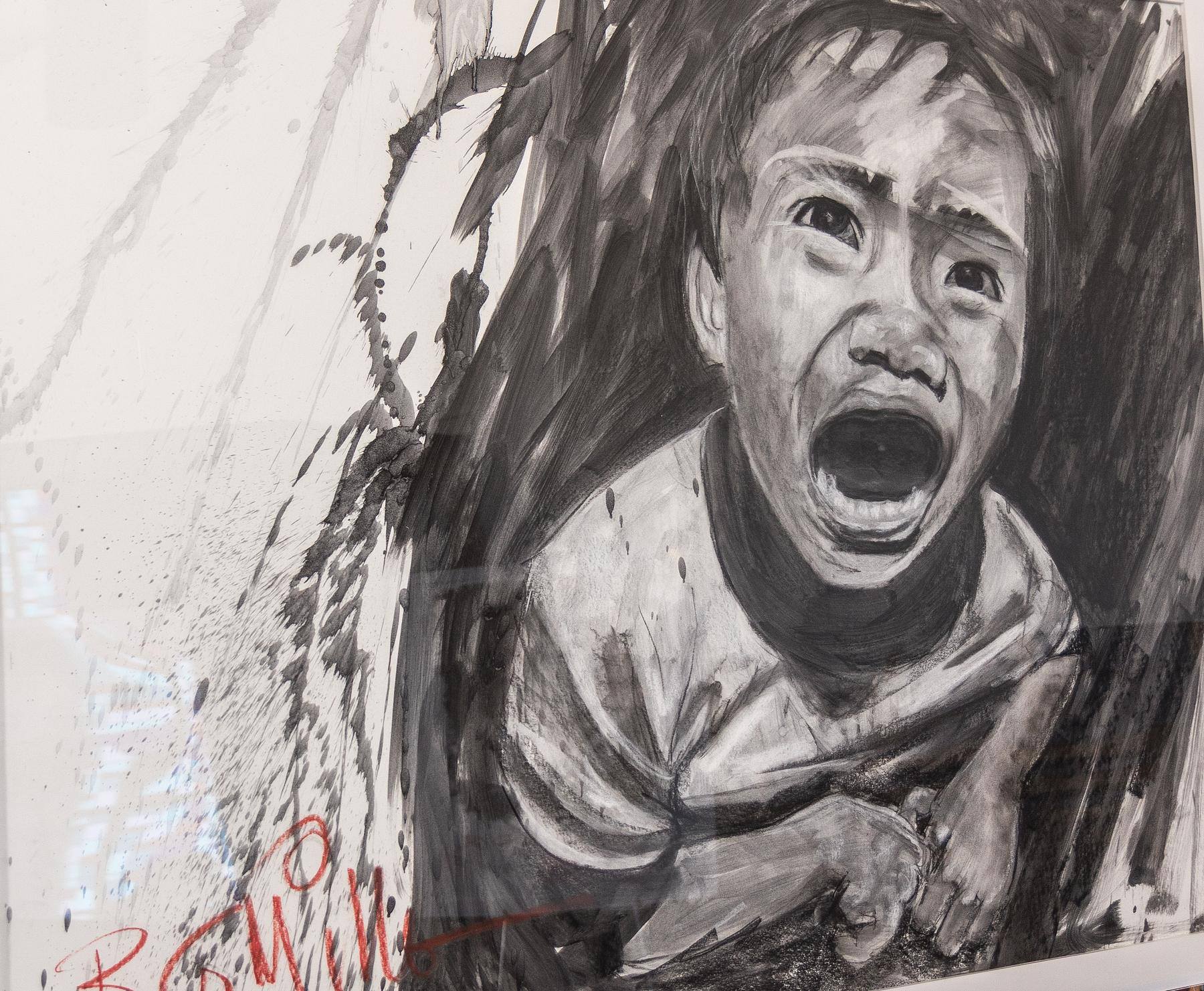
Mush Hole or Rape, part of a searing art exhibit I was able to visit on tour when it came to Rochester in 2013. By R. G. Miller

            There are so many episodes in the Native American past where people who felt that they acted in the best interest of Indigenous peoples did them enormous damage. There are other cases of stupidity so great that it approached the level of malevolence.  And of course there is plenty of pure evil as well.
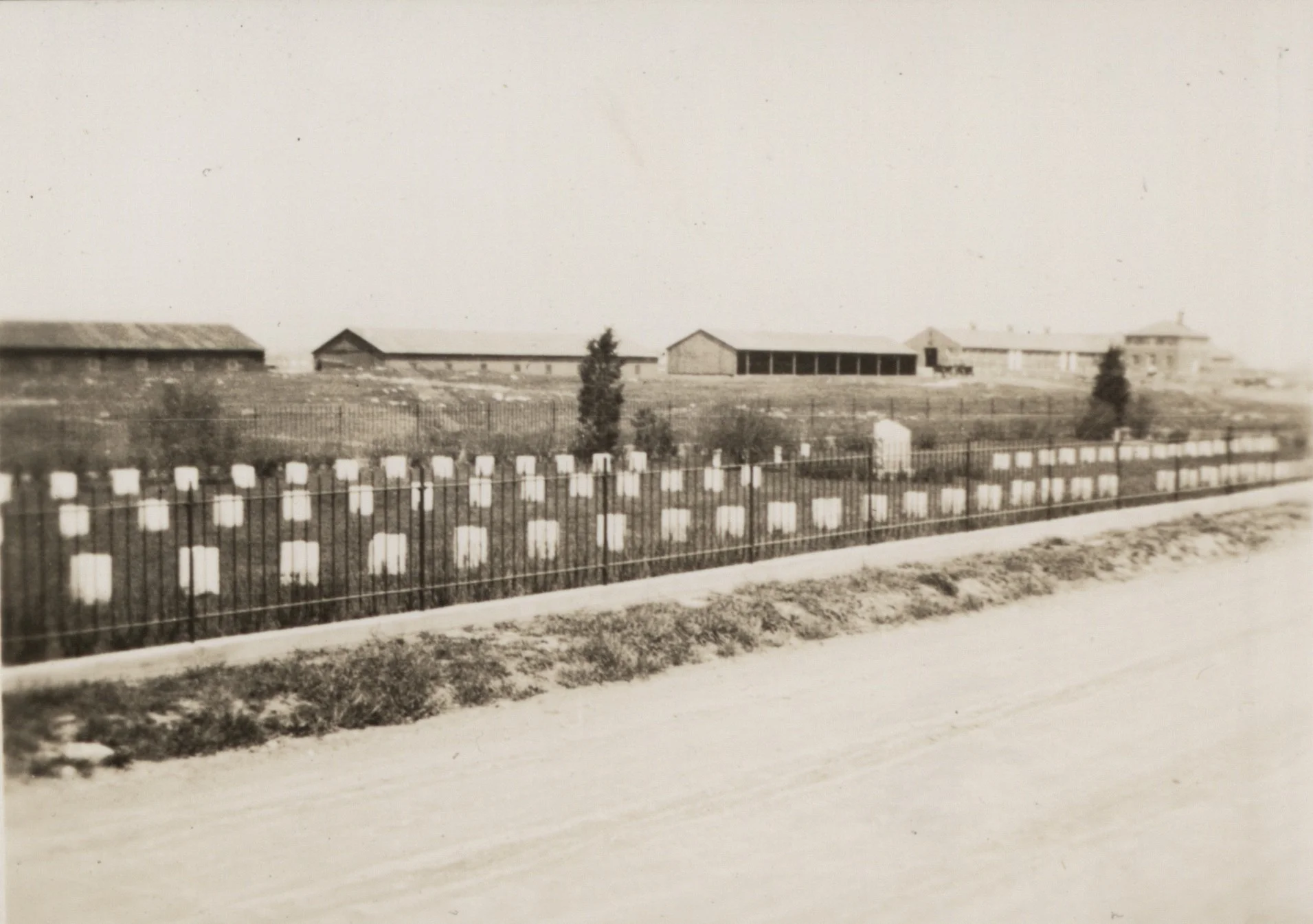
A graveyard filled with the bodies of dead children at the Carlisle Indian Industrial School in Carlisle, PA.

            I am not sure what happened at Salmon River, whether bumbling good will, stupidity, or evil, but I am glad NYSED has stepped in and demanded that the school district clean up its act, follow state laws, and put reforms in place to ensure that this never happens again. For a state as heavily bureaucratized as New York, the Education Department has acted with decision.

            But it’s not enough.

            Over the past several years, we have seen people of color locked in cages. We have seen extraordinary acts of violence committed by the forces of government against its most vulnerable citizens. Callousness and cruelty that lies heavy in the air we breathe.  Has this utter lack of empathy shaped what happened in a couple of classrooms way up in northern New York?  I don’t know, but it seems to me to be the latest manifestation of a very old disease.  I hope that the teachers who used those crates are never permitted to work anywhere near children ever again. And I wish that the long history of abuse experienced by Indigenous children would come to an end.
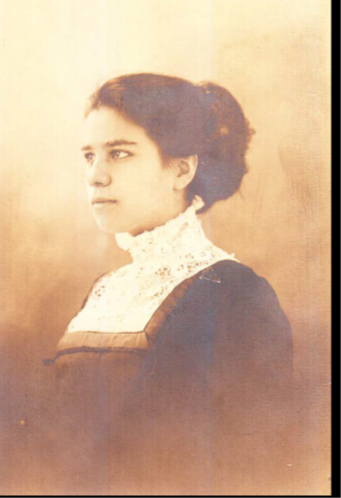
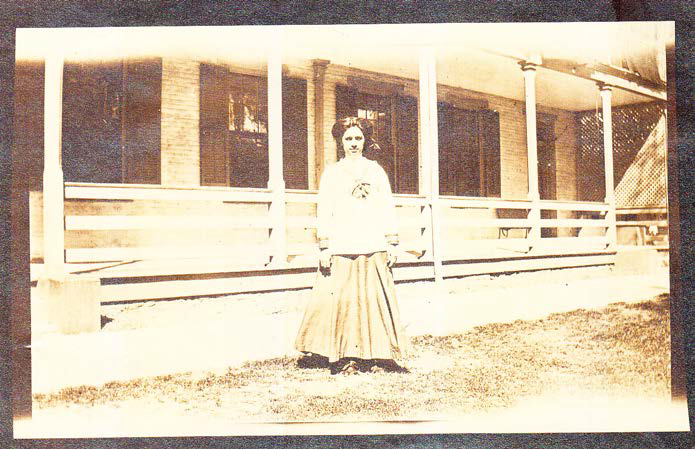
Mrs. Jacobs’ Girls, Part VI: Annie Dibo and Susie Porter, 1909

Susie Porter and Annie Dibo stayed at Mrs. Jacobs’ place from April 30 until August 27, 1909.  The stayed at Mrs. Jacobs’ “delightful home” in Oak Lane until June, and then they made her way to the cottage in Ocean City, near the beach where Nora Printup died.

            Both students’ files are pretty thin.  Annie arrived at Carlisle from the Mohawk Akwesasne reservation in September of 1906 and stayed until June of 1911 when she graduated.  She seems to have returned for one more year of training in nursing later that year, as a twenty-year old.  We know little about her home life, though her file does contain her Mohawk name, rendered phonetically by one of the school’s clerks as “ha-nau-ka-rou-to-ra-ta.”  Likewise, we know little of her life after she left Carlisle.  She may have been the same “Annie Diabo” who, in 1947, received word that her son, a World War II veteran and a high steel worker in California’s Bay Area, was struck by a car while he crossed Highway 1 after a night of drinking.  Diabo is a common Mohawk name, and Mohawks are known for their work in high steel.

A photo of Annie Dibo, 1911, in her Student File

            Susie Porter came to Carlisle from the White Earth Reservation in Minnesota.  She was 17 years old when she arrived in 1907.  She married shortly after her return home in 1912.  She was described during her stay at Mrs. Jacobs’ place as “a good trust-worthy girl, neat about her work, a good waitress, very satisfactory.”

            One way to get at the experiences of these young women while they were at Carlisle is to search for their names in the school newspaper, The Arrow.  Both girls were active in the Mercers and both were members of the YWCA.  Annie gave a number of “Recitations,” on various subjects, while Susie seems to have loved to debate.  She took the affirmative position in a debate on the proposition “that iron is more beneficial to man than gold” and the negative position on the proposition “that foreign immigration to the United States should be restricted.” Susie was a far more visible student than Annie.  In the art room, Susie made “the most handsome blanket,” following a Pueblo design.  “The soft colors, so carefully blended, for a color plan that is both pleasant and restful to the eye.” I wish I could see what it looked like.

            There is a story in The Arrow that gives us our only glimpse into the life of the girls who stayed at Mrs. Jacobs’ place in Ocean City.  It is easy to imagine that Nora Printup loved it there. Her life could not have been that different from Susie and Annie, who arrived four years after her death. Katherine Wolf, a Cherokee, was placed for her outing at a home in Ocean City not far from Mrs. Jacobs.  Katherine found Susie and Annie, and the girls became friends.  Susie, Annie and Katherine “went bathing almost every afternoon” and, “in the evening,” Katherine wrote, “we generally took a walk along the beach.”

            Annie kept in touch with Carlisle after she left, but it is impossible to tell how much and to what extent.  Susie left Carlisle, first for Wisconsin to keep house for her father, and then to Minnesota.  She married, and continued to write to the school.  She returned for graduation in 1912, and she sent letters asking for sheet music from the Carlisle song book that she wished to play at church.  She was a devoted Christian, and a devoted Carlisle alum.