As Americans commemorate the 250th anniversary of the signing of the Declaration of Independence, we should be aware that the American Revolution did not just pit colonists against Great Britain. It also set off a land rush here in New York. After the Revolution, much of the state was acquired from Native people through treaties that involved coercion, bribery, and deception, that violated federal law, and that included protections for Native people that no government has acted to enforce. Two hundred years ago, New York employed all these tactics in an 1826 treaty with the Seneca. In this year of commemoration, it is worth reflecting upon how an Indigenous homeland became New York State.
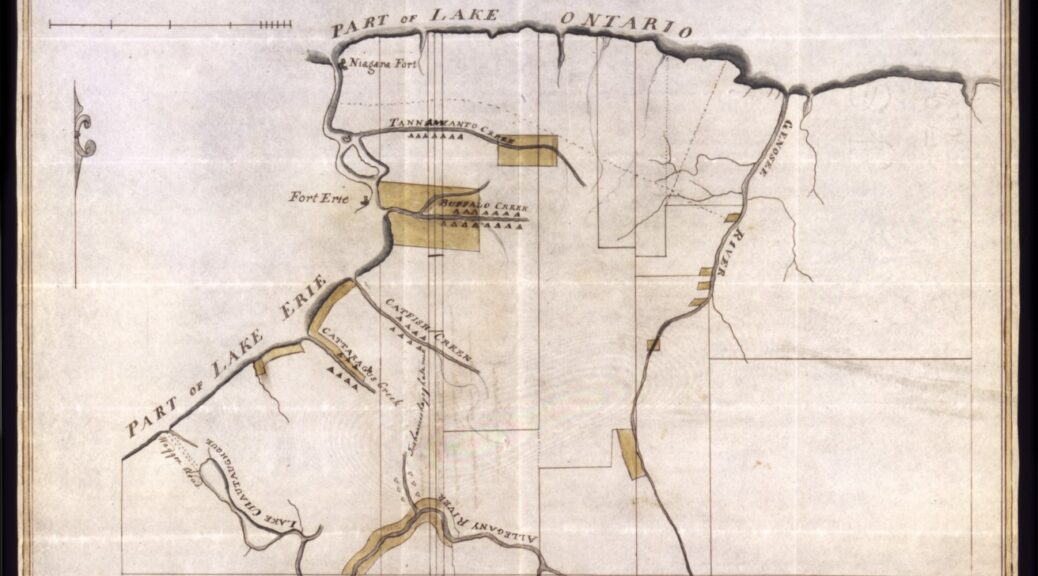
The Senecas were the westernmost and most powerful of the Six Nations who together made up the League of the Iroquois, or the Haudenosaunee, who once dominated much of what became New York State. Two decades after the Declaration of Independence, despite a military invasion and epidemics of disease, much of western New York remained in Seneca hands, and the United States in 1794 recognized their right to the “free use and enjoyment of these lands.” They lost much of their land in a treaty negotiated in 1797 that granted the Senecas a dozen reservations in western New York. In the early 1800s, however, a politically connected syndicate known as the Ogden Land Company acquired the right to purchase these from the Senecas, if they could be convinced to sell.
The Ogdens took a no holds barred approach. “The Savage,” David Ogden had said in 1819, “must and ought to yield to the civilized state.” Yet the Senecas successfully resisted the Ogden Company’s efforts, and by the 1820s had adjusted well to reservation life. Seneca farmers, one observer noted, “not only for their own subsistence but sell considerable to white people.” Senecas erected sawmills, cut trees, hauled the logs to the Allegany River, and rafted the unmilled logs downstream to western Pennsylvania. As with the sale of their agricultural produce, Seneca timbermen participated in a complex regional economy. The Senecas were getting by.
It may seem surprising, then, that the Senecas ceded more than one-third of their remaining lands at an 1826 conference held in Buffalo with the Ogden Company, overseen by state and federal officials. But the sale did not represent the wishes of the majority of the Senecas. They and their supporters immediately contested the treaty’s legality and morality. Many of those who had signed it, they testified, feared that if they did not sell out they would lose their lands to squatters who the state did not effectively police. Some were offered bribes to sign the treaty. Others believed that after this cession the Ogden Company would leave the Senecas in peace upon their remaining lands. Still others told President John Quincy Adams that the interpreters at the council had threatened them with removal if they refused to sell. This evidence delayed the treaty’s consideration by the Senate. When it voted on ratification, the Senate split twenty to twenty, which did not meet the 2/3 vote required for ratification of a treaty. But the federal government did nothing more, and acquiesced in a fraudulent treaty that carved a huge gash of territory out of the Seneca estate and violated the very terms that the federal government dictated for acquitting Indian land.
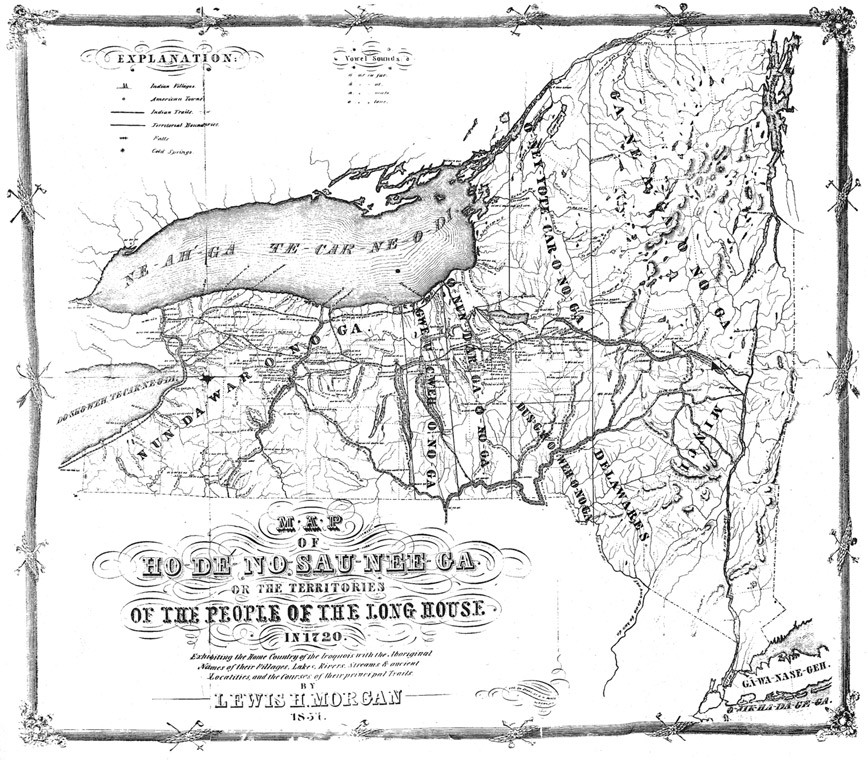
Indigenous land sales typically involved elements both of choice and coercion. Indians could not afford to ignore the efforts of their white neighbors to purchase their lands. It is in this light that we ought to view the several treaties and deeds which representatives of the Seneca nation signed in the half-century after the Revolution. If the Senecas refused to sell their land, they faced losing them outright to the squatters, outlaws, and speculators who regularly exploited the weakness of government on the frontier.
The unratified treaty of 1826, which violated the rules the United States established under the Constitution, exemplifies the fundamental importance of Indigenous dispossession to New York State and the American nation. The dispossession of New York’s Indigenous peoples was not inevitable. It was not part of God’s “Manifest Destiny.” It was a choice. It was big business, and in this case it was a crime. New York became the “Empire State” through a systematic program of Indigenous dispossession that repeatedly violated the laws of the United States, and even when it adhered to the threadbare rules designed to oversee the process, violated the standards of truth, honesty, and justice that Americans would like to think they stand for. What Haudenosaunee peoples lost, New York gained. Only by remembering these injustices in this year of commemoration can we move closer to reconciliation and justice.
